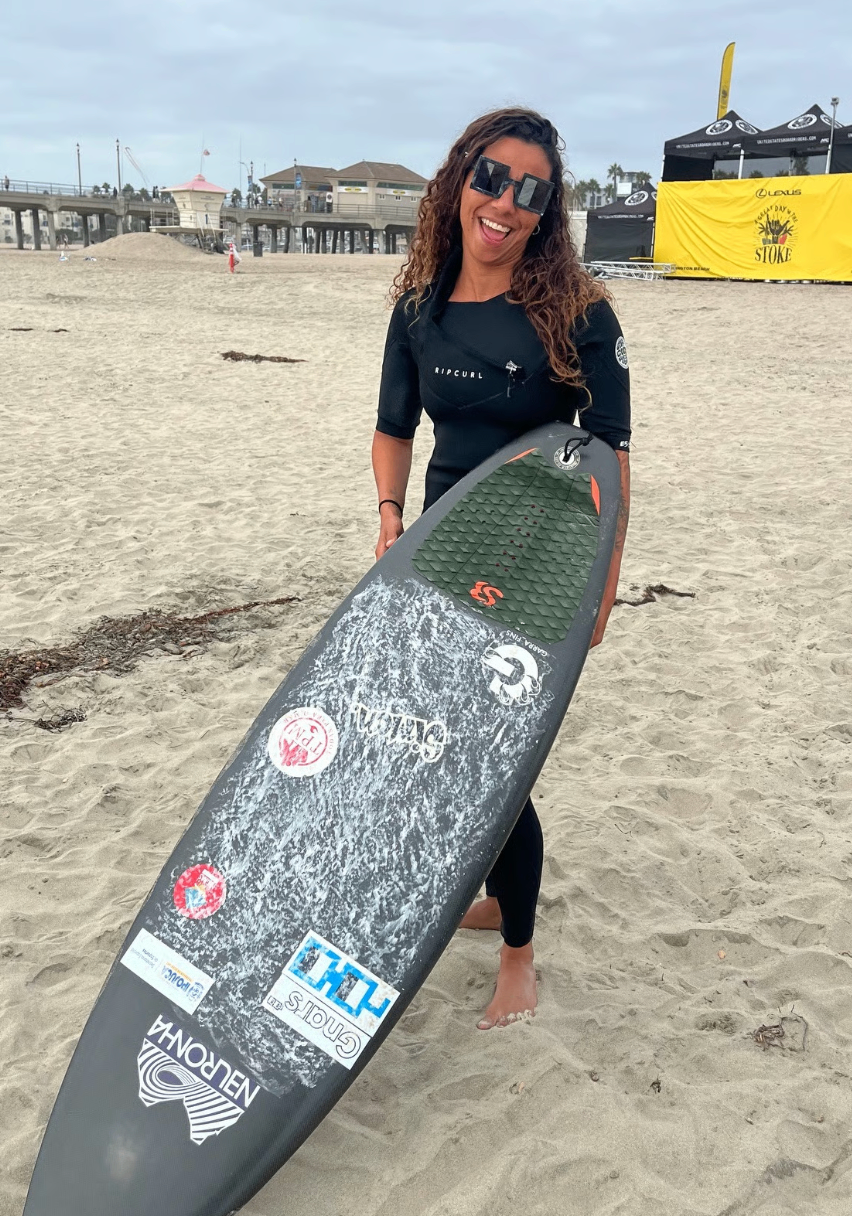
From Brazil’s domestic grind to the PASA Games podium circuit, Monik Santos has built her run the hard way: heat by heat, trip by trip, result by result.
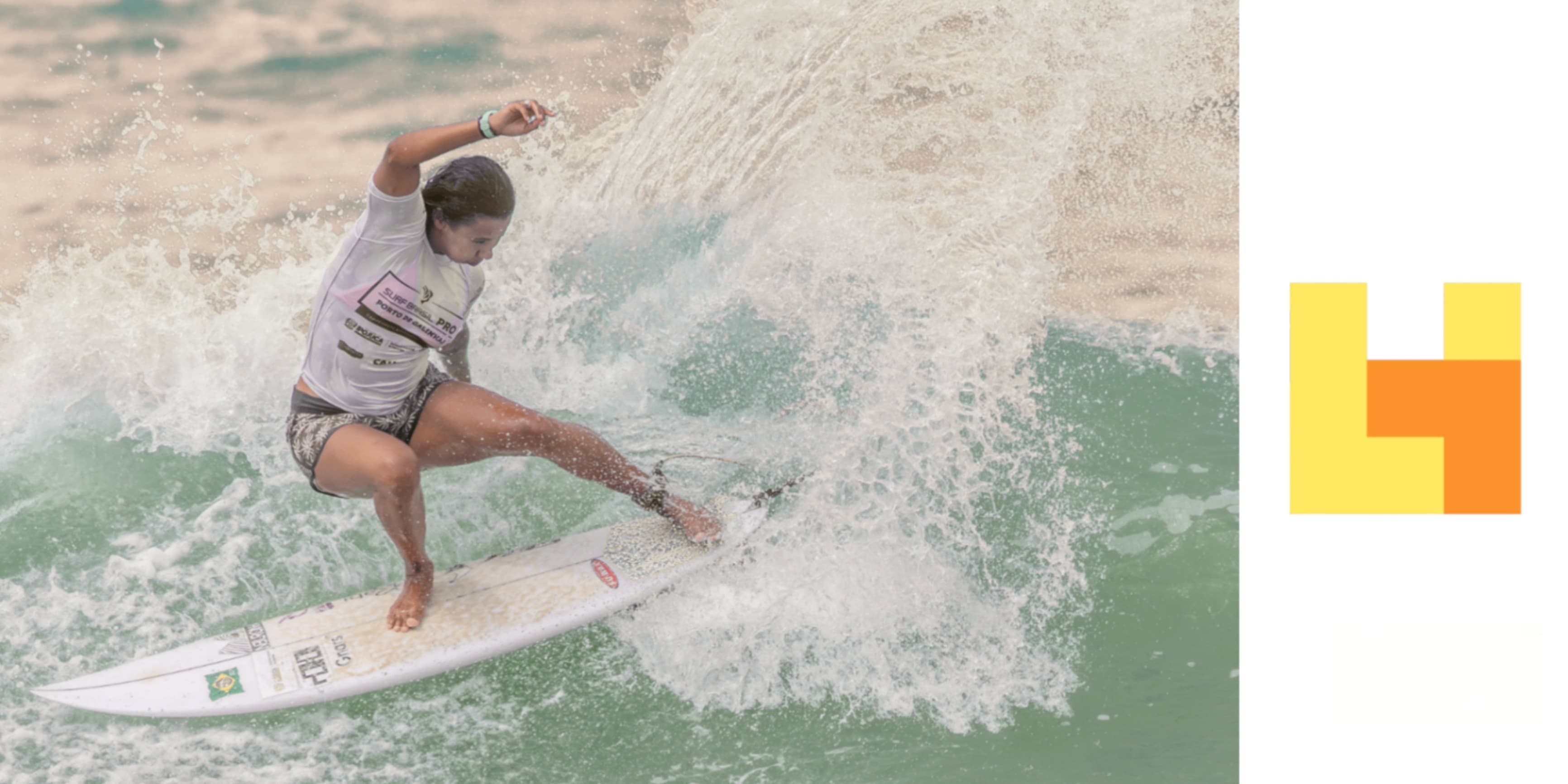
There is a clean way to tell the story of Monik Santos, and then there is the real way. The real version starts far from the polished center of Brazilian surf. It starts in the Northeast, where talent has always existed in heavy quantity but access, sponsorship, travel budget, and institutional opportunity have not. That gap matters. It shapes careers before they even begin.
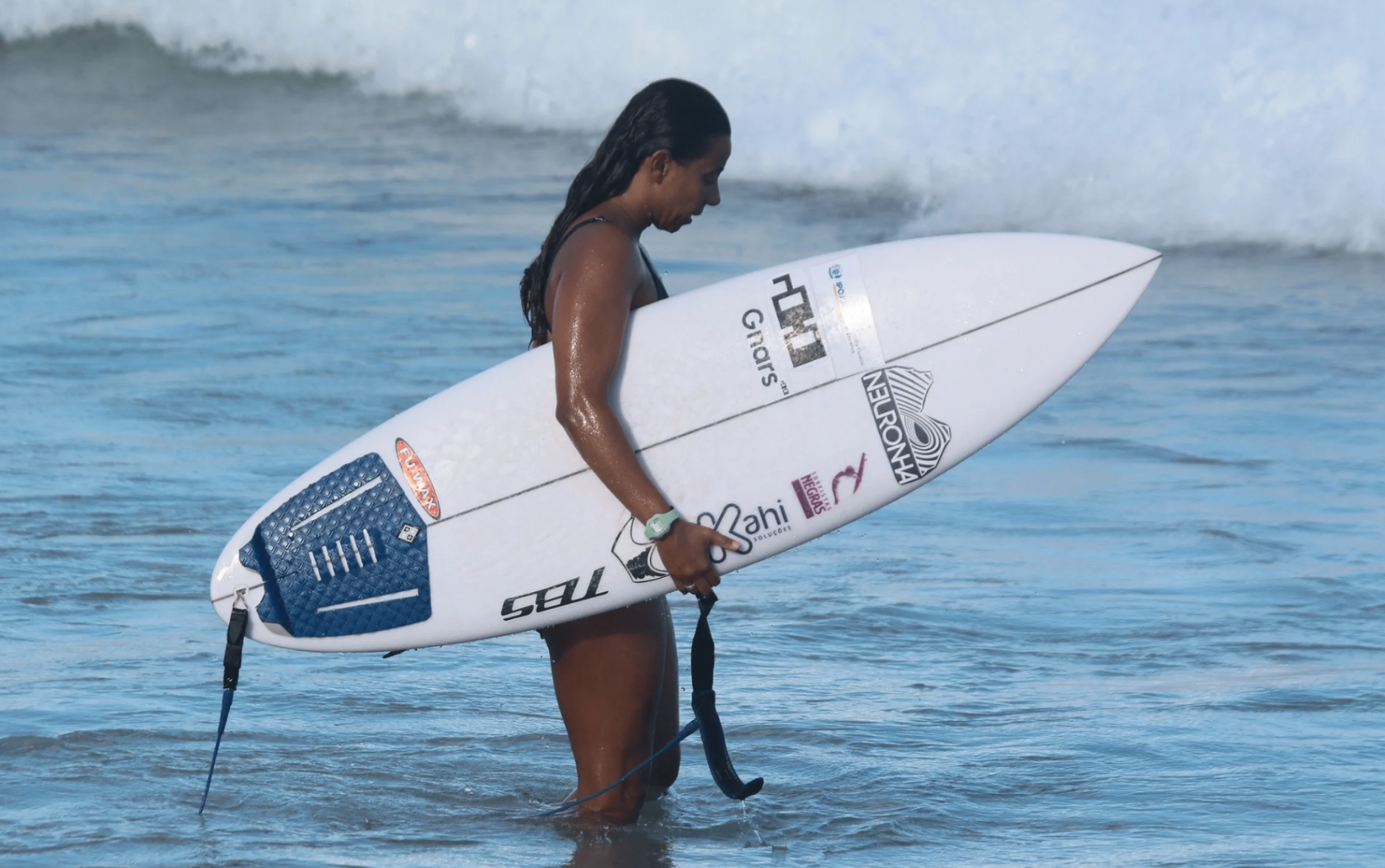
Special clip with Monik and Cocole
By the time Monik entered the Gnars orbit in 2024, alongside her sister Nicole “Cocole” Santos, she was already carrying the profile of a proven competitor: a two-time Brazilian champion, a surfer with QS/WSL results on the board, and an athlete whose game had already been tested under pressure. What Gnars recognized was not a prospect in development, but a real shredder whose trajectory matched the original logic of the DAO: support athletes who need the push, do the work, and actually represent the culture they claim to stand for.
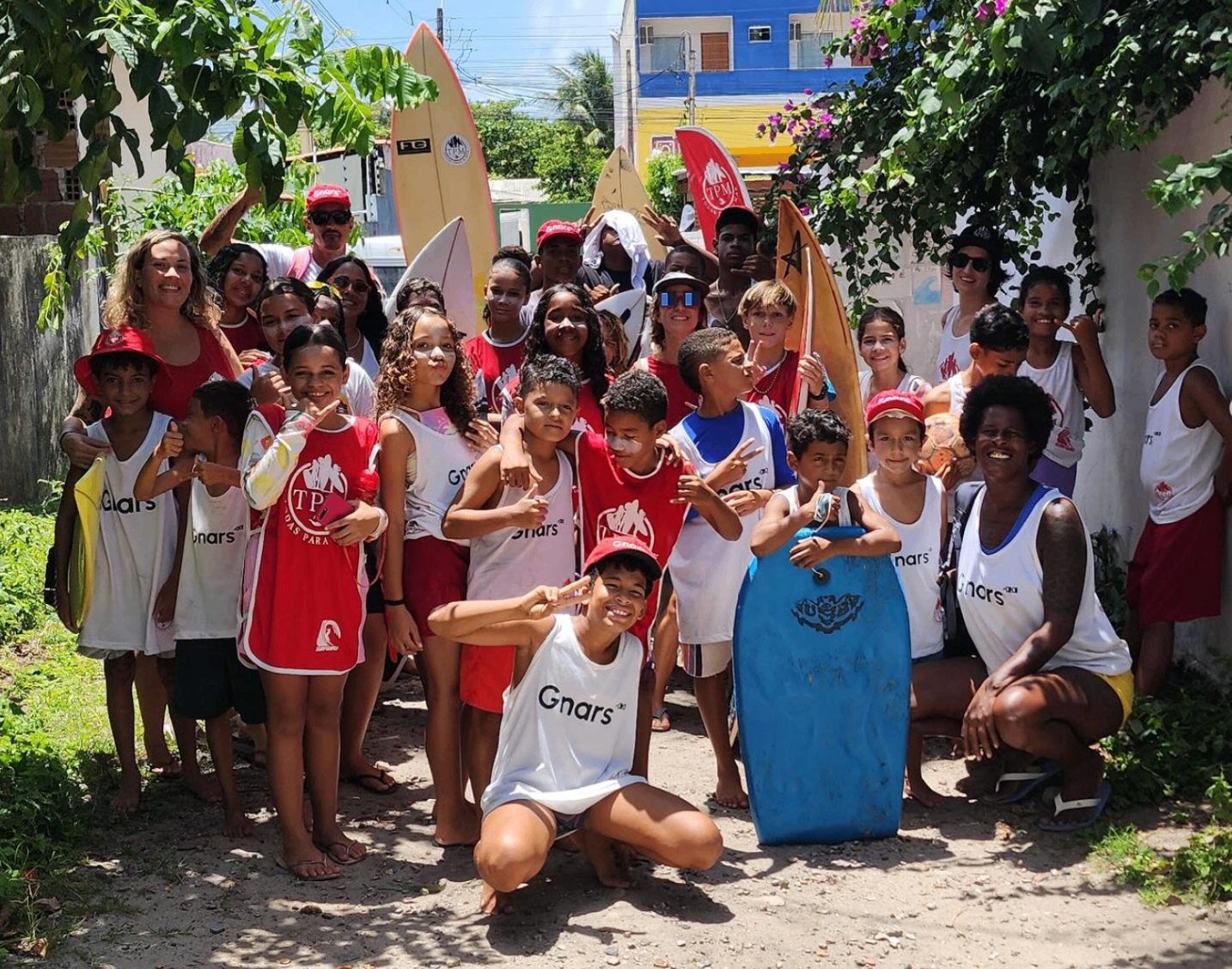
To understand Monik’s rise, you also have to understand the ecosystem around her. One of the key forces in that story is Todas Para o Mar (TPM), a project organized by Nuala Costa and rooted in the Northeast of Brazil. TPM exists to make visible what the surf industry has historically treated as invisible: Black surfers, girls, peripheral athletes, and the broader field of talent excluded by race, gender, geography, and class.
Costa’s work is not decorative activism. It is structural. Her advocacy around anti-racism, LGBTQIAP+ visibility, and women’s voice in surfing has given practical shape to a broader movement. Her invitation to speak in the context of the ONU Universal Declaration of Human Rights event in Mexico City underlined the scale of that impact, but the more important point is local and material: she directly helped Monik and many other girls and boys from the Northeast who have the level, yet not the same resource base or access points as athletes from Brazil’s traditional centers.

In surf terms, this matters because progression is never just about technique. It is about wave count, travel rhythm, contest repetition, and the support systems that allow a surfer to stay in the water long enough for talent to mature into results. TPM has been part of that support architecture.
Monik did not come from crypto. That was never the point.

What mattered was how she entered the Gnars universe and stayed active inside it. She posted, represented, showed up, and kept the relationship alive not through empty branding, but through performance in the water and presence outside it. In a space where many athletes pass through DAO language without building any real connection to the community, Monik stayed consistent.
That consistency is meaningful inside Gnars. She is one of the few shredders who remained active, visible, and supportive of the DAO over time. That alone makes her important. But more than that, her trajectory reflects a founding principle of Gnars: backing athletes who are under-resourced, culturally aligned, and capable of converting support into actual movement.
This is the difference between sticker placement and representation. Monik has carried Gnars with legitimacy.
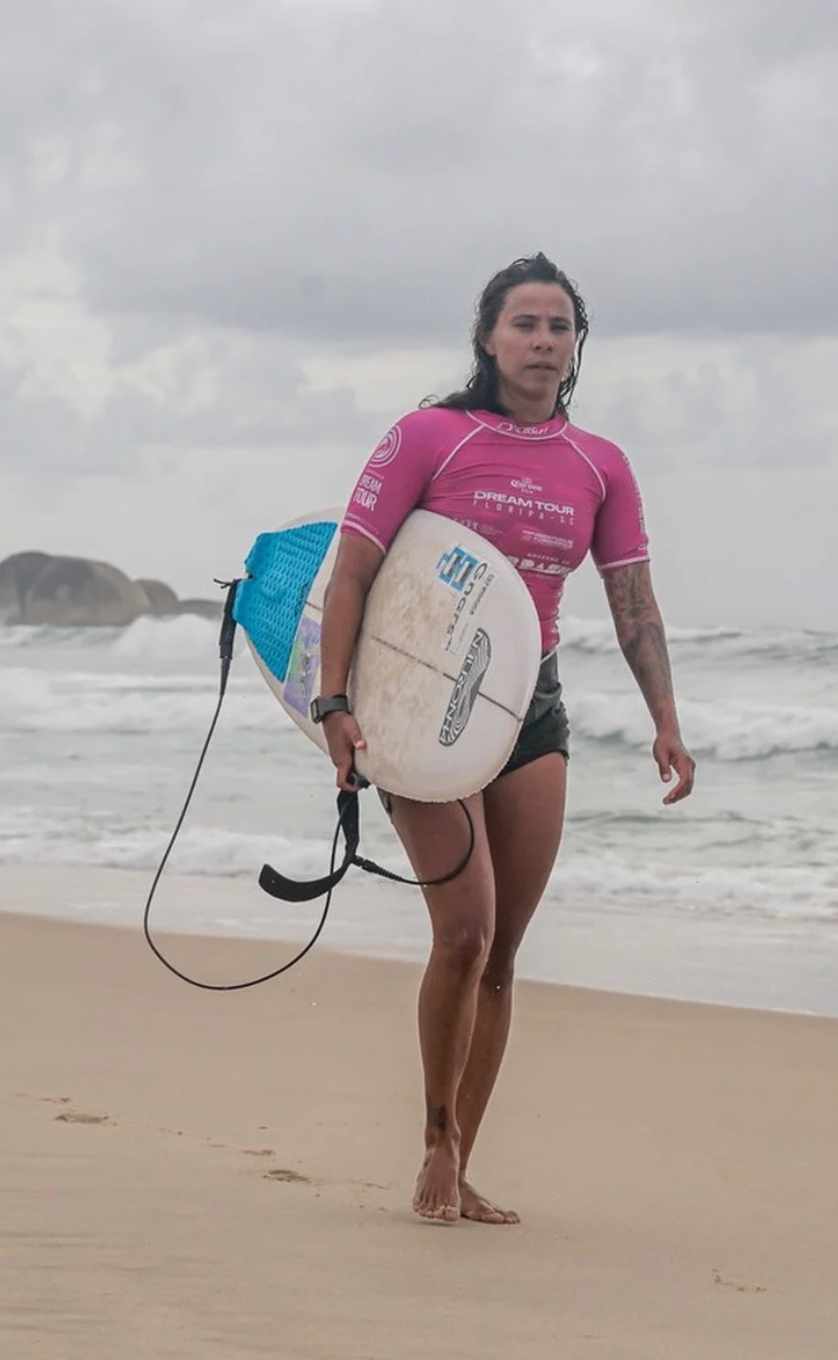
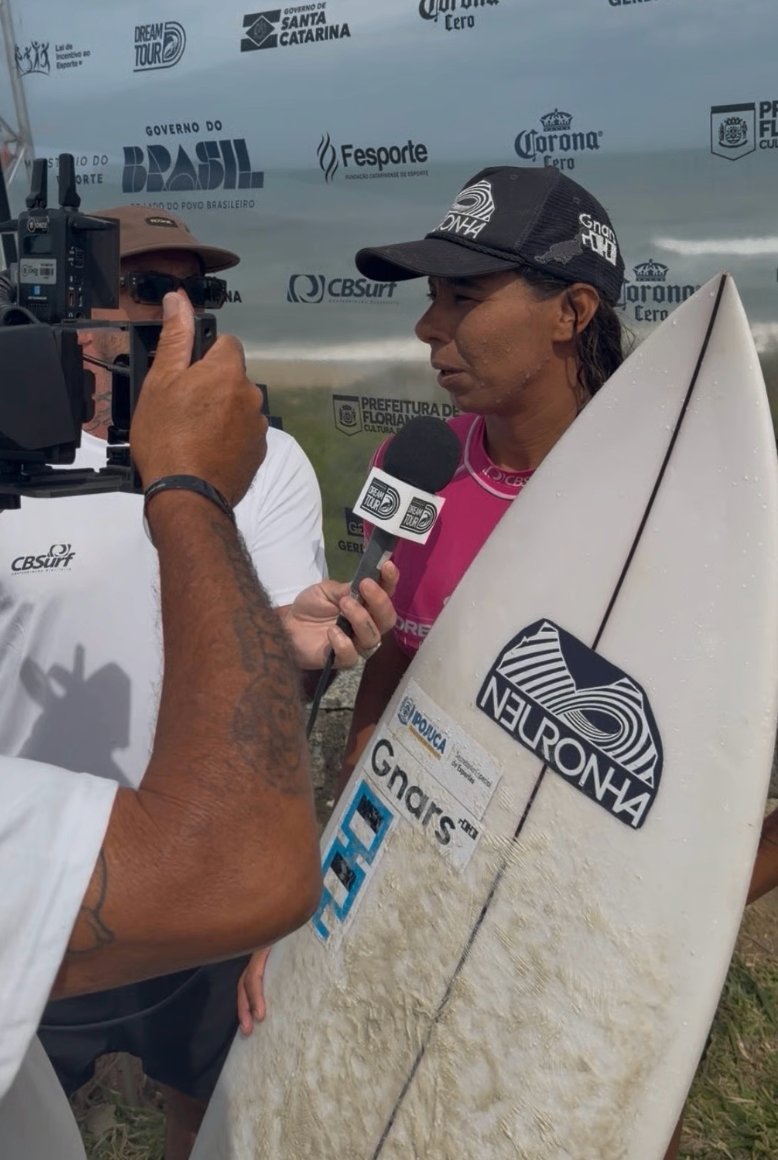
After becoming part of Gnars, Monik kept doing what serious competitors do: she stacked performances. Her campaign through Brazilian events reinforced the case that she belonged in larger, more institutional competitive spaces. That momentum led to one of the most relevant steps in Brazilian surfing today: an opportunity to compete on the Dream Tour.
In current Brazilian surf, the Dream Tour is not just another stop. It is the country’s most credible and organized national championship environment, bringing together legacy names, institutional weight, and the corporate side of the sport in a single circuit. To earn the right to line up there is to enter a higher tier of scrutiny. It means the surfing has to hold up, not just the story around it. Monik earned that lane.

Then came another important marker. After winning the 2024 Great Day in the Stoke event in Huntington Beach, California, Monik did more than collect a title. She inserted herself into an international movement and a global field of Black surfers from countries including Senegal, Nigeria, and beyond.
That event carries symbolic and competitive weight. It is about visibility, lineage, and the creation of a shared platform for Black surfers who have too often been sidelined in the mainstream surf narrative.
In 2025, Monik was invited back, and she delivered again. Alongside names such as Yanca Costa and Potira Castaman, she reached the final and split the podium with a North American surfer, once more standing inside the broader movement of Black surfers making their presence impossible to ignore.
For Gnars, this pump at two levels. First, because supporting this kind of athlete means supporting real cultural substance, not abstract positioning. Second, because Monik did what every serious sponsor or community wants to see: she converted backing into results, attention, and credibility.
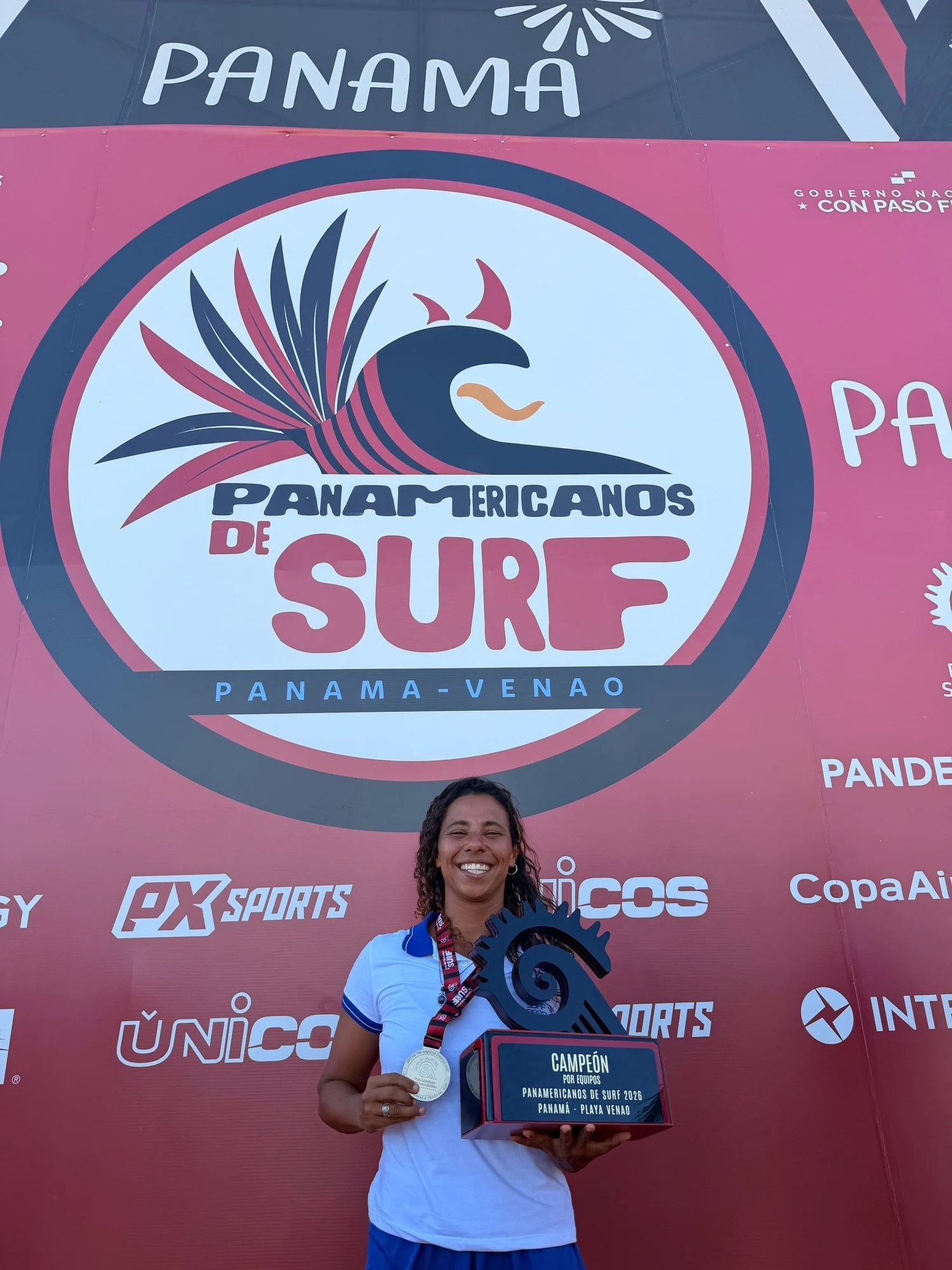
One result opens the next door. That is how surf careers really work.
Off the back of her high-level performances over the previous year, Monik was invited by the Brazilian Surf Confederation to represent Brazil at the 2026 PASA Games in Panama. It was a major call-up, and it placed her inside the national shortboard roster alongside Renan Pulga, Michael Rodrigues, Juliana dos Santos, Douglas Silva, and the all-time powerhouse Silvana Lima.

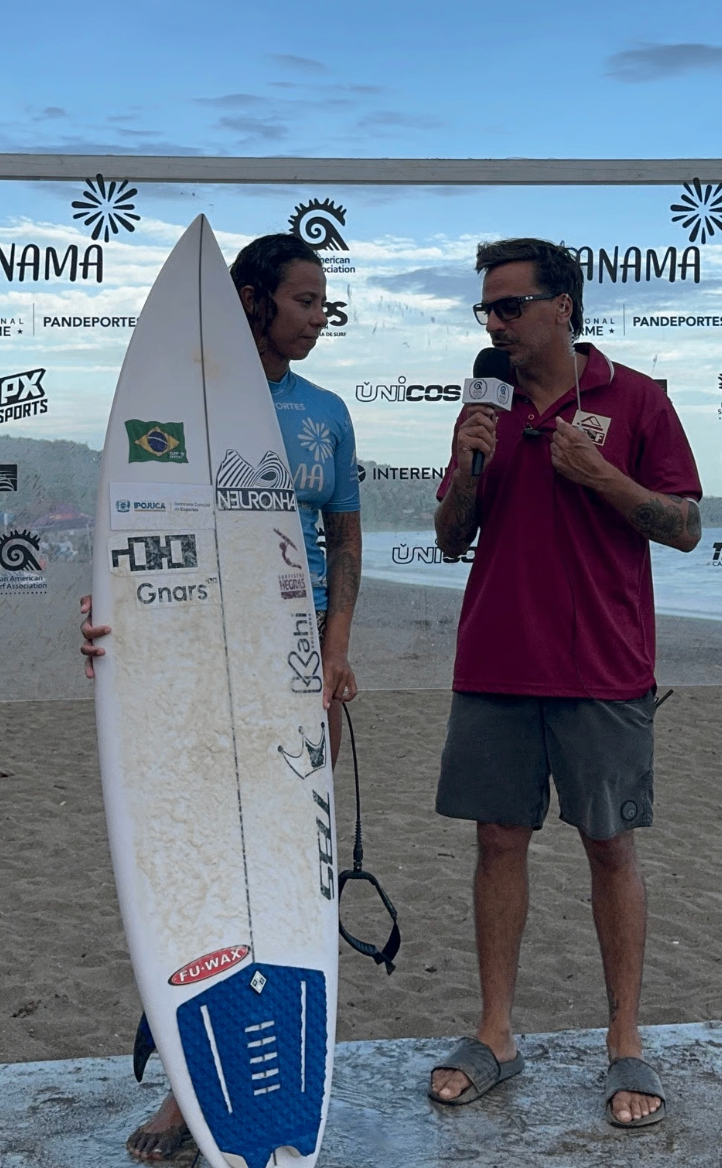
That selection was not ceremonial. It was performance-based.
The PASA Games roster also included athletes across SUP Race, SUP Surf, Longboard, and Bodyboard, and Brazil left Panama as four-time Pan American champion. Inside that broader national victory sat a detail that matters to anyone tracking the real spread of Gnars culture: once again, an athlete with that square sticker and those wild glasses on the board was right there in the mix, drawing attention in serious competitive territory.

Monik Santos connects multiple truths the DAO has claimed since the beginning.
She is a high-level athlete from outside the traditional centers of power. She has roots in a social and cultural movement that expands surfing’s real base. She stayed active with Gnars instead of treating it like a temporary logo opportunity. And when the level rose, she kept answering with performances that justified every bit of support.
Monik is still in motion. She continues to perform in contests and to represent outside the water.

The line is still running, and the most interesting part of her story may be what comes next: how far this combination of competitive form, cultural relevance, and earned visibility can travel from here. Keep it gnarly \m/